Therapists in Brighton & Hove
Browse our verified therapists — many work across a wide range of issues and may be able to help.
 Brighton
Jonny Lindsay
Counsellor / Psychotherapist
You might be feeling stuck, overwhelmed, or quietly struggling while appearing to cope on the outside. Many people come to therapy when they’re tired of going round in circles, overthinking, or carrying things on their own.I work with adults who want a space that is calm, honest, and grounded, where they can slow things down, make sense of what’s happening, and begin to feel more like themselves again.Therapy with me is relational and thoughtful. I will listen carefully, but I will also gently challenge patterns that keep you stuck.I often work with people experiencing anxiety, low self-esteem, relationship difficulties, feeling stuck, shame, and life transitions. This includes people who appear to function well outwardly but feel disconnected or overwhelmed internally.ExperienceAlongside my private practice, I work as a qualified supervisor, offering reflective supervision to counsellors and trainees. I have also worked as a mentor for young people through the YMCA and as both a counsellor and assessor for a well-established low-cost counselling charity in West Sussex.This experience has involved working with adults and young people from diverse backgrounds and with a wide range of presenting concerns.I also bring a depth of life experience into my work, which helps me offer grounded, compassionate, and thoughtful support tailored to each individual.
 Brighton
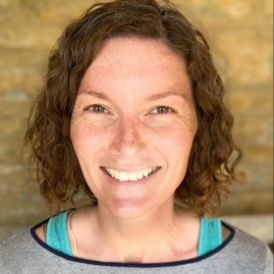
Claire Baker
Humanistic Psychotherapeutic Counsellor
At Clarity Counselling you will be warmly welcomed by me, Claire Baker, a fully qualified, insured and BACP-registered Psychotherapeutic Counsellor. If you are aged 18+ and are interested in starting therapy, I offer a half price, 50-minute introductory session which gives us an opportunity to meet, discuss what brings you to counselling and see how we feel about working together, with no obligation for you to commit to further sessions if you do not wish. Please visit: www.claritycounselling.co.uk for more details.
 Brighton
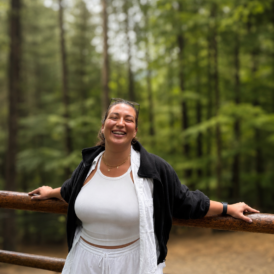
Jaz Stroe
Therapist / Counsellor
A Registered Member of the BACP, I've trained extensively in psychodynamic psychotherapy and counselling, working with the past, memories, dreams and the unconscious. I also volunteer with two leading mental health organisations and benefit from bi-weekly supervision to deepen my knowledge and approach.I’m also a third-culture person. I grew up in the UK with mixed Romanian and Serbian heritage. I know what it's like to perform versions of yourself while quietly feeling like someone else. Cultural identity, migration, belonging and othering are all woven into my psychology and therapeutic practice.I aim to maintain a genuinely inclusive space across culture, identity, sexual orientation, relationship structure, faith, and background. I don't work from a single script of what a person, a relationship, or a life should look like. I work within an ethic of non-harm, to self and to others, and I ask the same of the therapeutic space we share.Ultimately, I came into this work wanting to understand and aid my own mental wellbeing. I've had personal therapy for over a decade. I can only take you as far as I've gone myself, and I've gone deep. In other words, you're in safe hands, and you will be held week after week, for as long as you keep showing up.
 Brighton
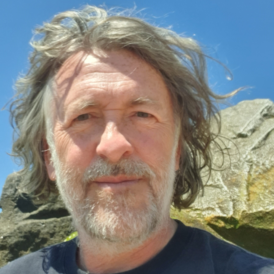
Andy Wolage
Therapeutic Counsellor
Sometimes life is really hard. Everything feels like too much. We can get overwhelmed with guilt for not coping, shame for having failed in the past and sometimes we can end up not really liking ourselves very much. We might self medicate with substances or other behaviours which we know don't really help, but they seem better than nothing. But they just perpetuate the cycle. I can offer you a safe, non-judgemental and confidential space to organise and reframe those overwhelming feelings and see the wood for the trees. I can help you understand yourself better and to begin to look in the mirror and like what you see.
 Brighton
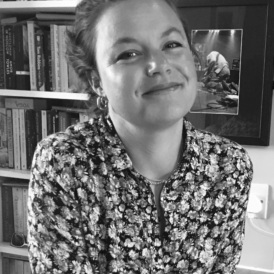
Rosie Dee
Psychotherapist
I'm a humanistic psychotherapist working with individuals and couples, and I bring empathy, hope and creativity to my work. I am interested and curious about what it means and feels like to be you, and I really believe in the power of the therapeutic relationship as a vessel for growth and change. It is a privilege to do this work, and to be a part of the exploration of your life story, who you are and what matters to you.
 Brighton
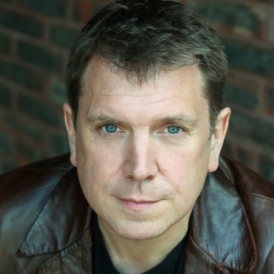
Tony Austin
Integrative psychotherapist
Common feelings such as anxiety, a lack of self-worth or sadness colour our experience and often leave us feeling we have lost our way. Sometimes we can feel like our own worst enemy, giving ourselves a hard time because others can manage, so why can’t I?I chose to train as a psychotherapist after being in therapy myself. Through the process of talking with a skilled therapist I was able to reflect on how my past had shaped my present, understand myself better, value myself more and create a happier, more fulfilled life and I want to help others do the same. Nothing gives me greater satisfaction than having a client say they feel “unburdened” at the end of a session or, at their final session, seeing them leave with greater confidence ready to make the changes necessary to create the life they want.After completing my training as a counsellor at Lambeth College, I worked for an NHS counselling service in West London. I helped many clients dealing with anxiety, depression, relationship breakdown and many other common issues and seeing so many people find positive solutions fuelled my passion for therapy and I would like to help you. I believe everyone deserves to be heard and with the right support can create positive, lasting change. Through our work together, I can help you reduce anxiety, rebuild your confidence, learn how to recognise unhelpful habits such as “people pleasing”, or “self-sabotage” and create better relationships with yourself and others.If you want to learn more about how counselling can help you, get in touch through the link at the bottom of this page and take the first step to happier, more fulfilling life.