Therapists in Brighton & Hove
Browse our verified therapists — many work across a wide range of issues and may be able to help.
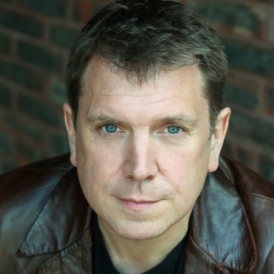 Brighton
Tony Austin
Integrative psychotherapist
Common feelings such as anxiety, a lack of self-worth or sadness colour our experience and often leave us feeling we have lost our way. Sometimes we can feel like our own worst enemy, giving ourselves a hard time because others can manage, so why can’t I?I chose to train as a psychotherapist after being in therapy myself. Through the process of talking with a skilled therapist I was able to reflect on how my past had shaped my present, understand myself better, value myself more and create a happier, more fulfilled life and I want to help others do the same. Nothing gives me greater satisfaction than having a client say they feel “unburdened” at the end of a session or, at their final session, seeing them leave with greater confidence ready to make the changes necessary to create the life they want.After completing my training as a counsellor at Lambeth College, I worked for an NHS counselling service in West London. I helped many clients dealing with anxiety, depression, relationship breakdown and many other common issues and seeing so many people find positive solutions fuelled my passion for therapy and I would like to help you. I believe everyone deserves to be heard and with the right support can create positive, lasting change. Through our work together, I can help you reduce anxiety, rebuild your confidence, learn how to recognise unhelpful habits such as “people pleasing”, or “self-sabotage” and create better relationships with yourself and others.If you want to learn more about how counselling can help you, get in touch through the link at the bottom of this page and take the first step to happier, more fulfilling life.
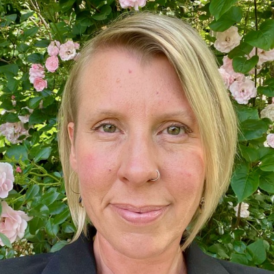 Brighton
Gabrielle Lake Mitchell
Integrative Counsellor
Thinking about starting counselling and looking for a counsellor, can feel daunting. So I warmly welcome you to my profile and hope that you get in touch to see if I am the right counsellor for you. There are many reasons why people seek counselling. Perhaps you are feeling lonely or disconnected from the people around you? Perhaps you would like to talk to someone about making changes in your life? Maybe you are feeling stuck, anxious or depressed, and would like a little extra support to help you through a difficult time? Perhaps you can't quite put your finger on what is wrong, and would like somewhere to express yourself and make sense of your thoughts and feelings?Whatever brings you to counselling, I will endeavour to offer you a confidential and safe space, where you can talk and explore all of your thoughts and feelings, and express them freely without judgement or opinion. Counselling can be useful in helping you to gain insight and a fresh perspective. It can help you to gain understanding about yourself and others, or help to make sense of a problematic situation. It can help you move towards acceptance, emotional freedom and healthy psychological growth.
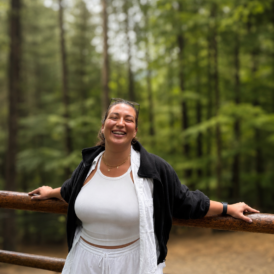 Brighton
Jaz Stroe
Therapist / Counsellor
A Registered Member of the BACP, I've trained extensively in psychodynamic psychotherapy and counselling, working with the past, memories, dreams and the unconscious. I also volunteer with two leading mental health organisations and benefit from bi-weekly supervision to deepen my knowledge and approach.I’m also a third-culture person. I grew up in the UK with mixed Romanian and Serbian heritage. I know what it's like to perform versions of yourself while quietly feeling like someone else. Cultural identity, migration, belonging and othering are all woven into my psychology and therapeutic practice.I aim to maintain a genuinely inclusive space across culture, identity, sexual orientation, relationship structure, faith, and background. I don't work from a single script of what a person, a relationship, or a life should look like. I work within an ethic of non-harm, to self and to others, and I ask the same of the therapeutic space we share.Ultimately, I came into this work wanting to understand and aid my own mental wellbeing. I've had personal therapy for over a decade. I can only take you as far as I've gone myself, and I've gone deep. In other words, you're in safe hands, and you will be held week after week, for as long as you keep showing up.
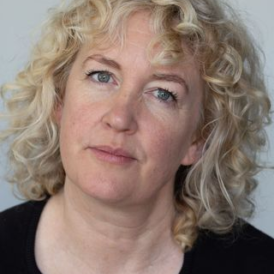 Brighton
Imogen Salt
Humanistic Psychotherapist
I offer one-to-one humanistic counselling, for adults and young people within the Brighton & Hove area. I prioritise face-to-face therapy, but offer online where needed. I am experienced, thoughtful, intuitive and warm.
 Brighton
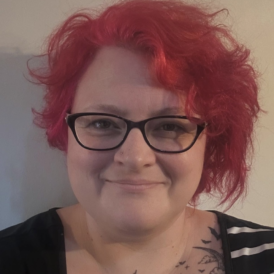
Cerrie Lantrua
Counsellor
Clients often tell me how much they value having a space where they feel understood, where they don’t have to explain their neurodivergence or justify their experiences.I am neurodivergent myself, and I’m open about that. It’s not something I see as a limitation, but as something that shapes how I understand, relate, and connect. Alongside my training and experience, this gives me a way of seeing things that often helps clients feel recognised in ways they may not have experienced before.I’m naturally creative and tend to think outside the box, which allows me to consider different perspectives and gently step into what it might be like to be you, not from a place of judgement, but from a genuine willingness to understand.At the same time, I don’t assume your experience is the same as anyone else’s. No two people are the same. A big part of what I offer is taking the time to learn what you need, how you experience things, and what support feels right for you.You are the expert on yourself. My role isn’t to tell you what to do or who to be, but to walk alongside you as you begin to understand yourself more fully.I aim to create a space where you feel safe enough to be real. Where you don’t have to mask, filter, or find the “right” way to say things. A space where you can feel seen, heard, and genuinely understood.
 Brighton
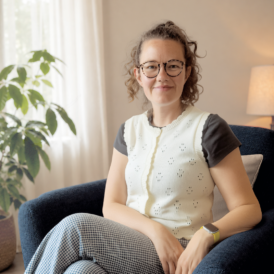
Tessa Williams
Integrative Counsellor
I’m a warm, thoughtful and genuine therapist, working with individual adults in person in Brighton & Hove and online.I see therapy as something we build together, with the relationship between us at the heart of the work. I aim to offer a space where you can feel accepted as you are, while also supporting you to consider different perspectives when that may be helpful.My way of working is flexible and shaped around you. We might explore emotions, relationships and recurring patterns, pay attention to how experiences are felt in your body, or use more creative ways of working where that feels useful.I offer an affirming and inclusive space, including for LGBTQ+, neurodivergent and disabled identities and experiences.